
The Importance of Regular Maintenance for Rubber Processing Machinery
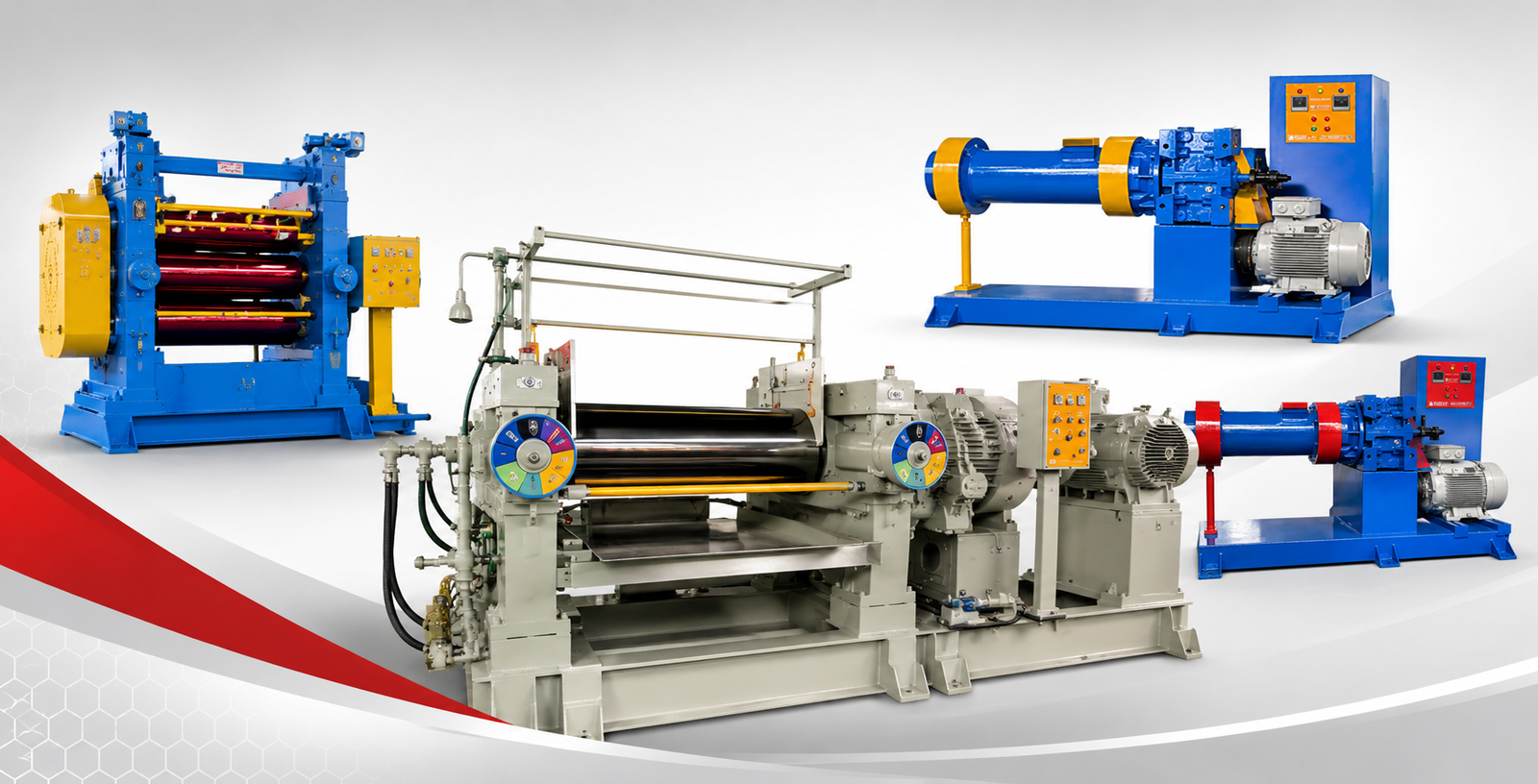
In the rubber manufacturing industry, machinery is the backbone of production. Whether it is a Dispersion Kneader, Rubber Mixing Mill, Calender Machine, Hot Feed Extruder, Hydraulic Press, or Recycling Plant Equipment, every machine plays a critical role in maintaining product quality and production efficiency. However, even the most advanced machinery can experience reduced performance if regular maintenance is neglected.
A well-planned maintenance program not only extends machine life but also minimizes downtime, reduces repair costs, improves safety, and ensures consistent production quality. For manufacturers aiming to maximize return on investment, preventive maintenance is not an option—it is a necessity.
⚙ Why Machine Maintenance Matters
Industrial rubber machinery operates under demanding conditions involving high temperatures, heavy loads, continuous operation, and exposure to abrasive materials. Over time, components naturally experience wear and tear, which can affect machine performance and reliability.
Regular maintenance helps identify potential issues before they become major problems, allowing manufacturers to avoid unexpected breakdowns and costly production interruptions.
🏭 Benefits of Preventive Maintenance
Preventive maintenance offers several advantages that directly impact productivity and profitability.
Reduced Downtime
Unexpected machine failures can halt production for hours or even days. Scheduled maintenance significantly reduces the risk of sudden breakdowns and keeps operations running smoothly.
Improved Product Quality
Worn components, improper alignment, and inconsistent machine settings can affect product dimensions, surface finish, and overall quality. Regular inspections help maintain production consistency.
Lower Repair Costs
Replacing a worn bearing or seal is far less expensive than repairing a major gearbox failure caused by neglected maintenance.
Extended Machine Life
Proper lubrication, timely replacement of wear parts, and routine inspections help extend the operational life of machinery and maximize equipment investment.
Enhanced Workplace Safety
Maintained machinery operates more safely and reduces the risk of accidents caused by mechanical failures.
🔧 Key Areas That Require Regular Inspection
Every rubber processing machine contains critical components that should be inspected periodically.
Bearings and Lubrication Systems
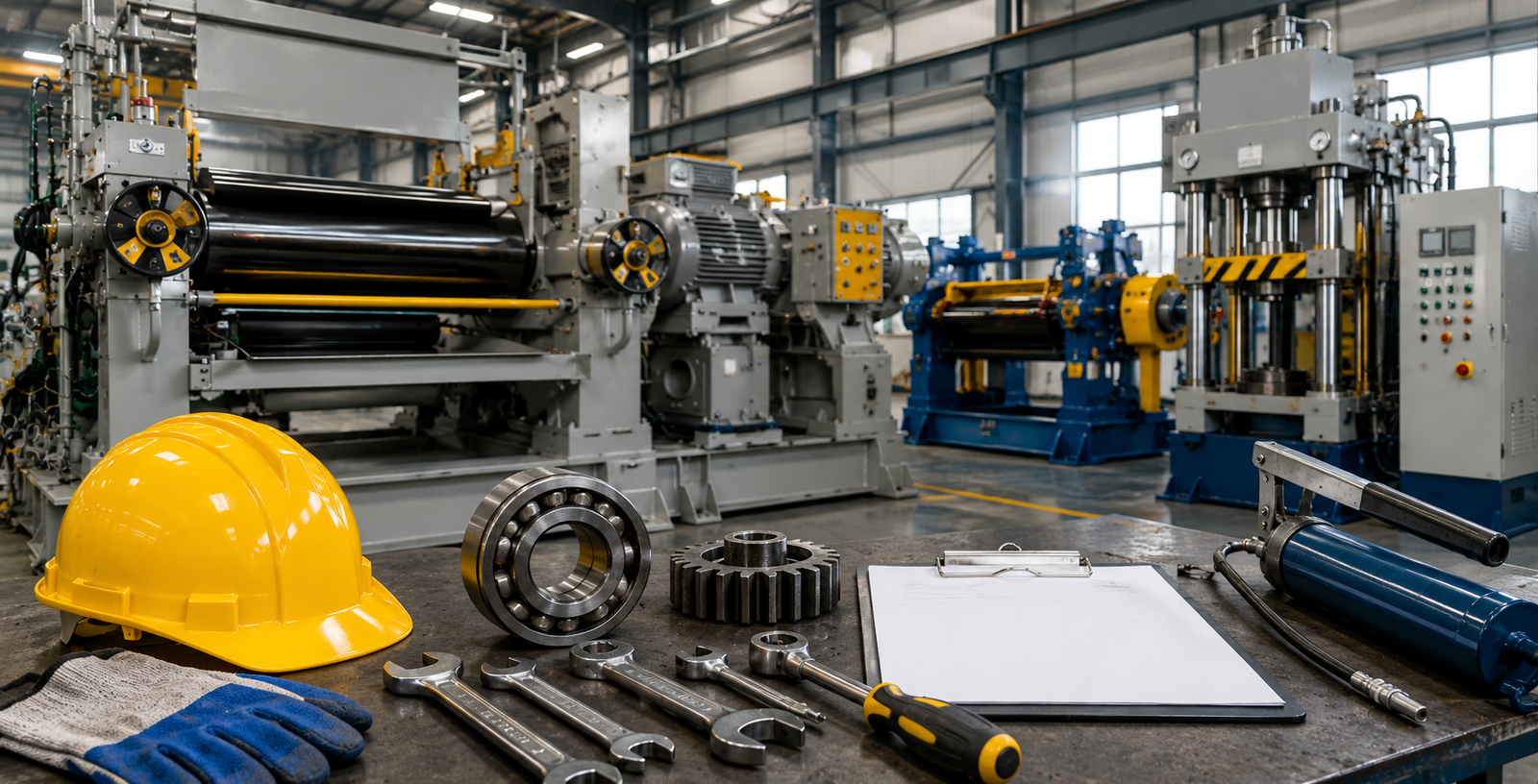
Bearings are among the most important components in industrial machinery. Proper lubrication prevents excessive friction, overheating, and premature wear.
Maintenance teams should regularly:
- Check oil levels
- Inspect lubrication lines
- Monitor bearing temperatures
- Replace contaminated lubricants
Gearboxes
Gearboxes transfer power throughout the machine and require continuous monitoring.
Recommended inspections include:
- Oil condition checks
- Seal inspections
- Noise and vibration monitoring
- Gear wear evaluation
Hydraulic Systems
Hydraulic systems are widely used in presses, calenders, and various automated equipment.
Maintenance should focus on:
- Hydraulic oil quality
- Hose condition
- Cylinder performance
- Pressure consistency
- Valve functionality
Electrical Systems
Modern rubber machinery relies heavily on electrical controls and automation.
Routine inspections should include:
- Wiring connections
- Control panels
- Sensors and switches
- PLC systems
- Safety interlocks
📋 Maintenance Best Practices for Rubber Processing Plants
Implementing a structured maintenance strategy can dramatically improve equipment reliability.
Create a Maintenance Schedule
Develop a detailed maintenance calendar covering daily, weekly, monthly, and annual inspections.
Maintain Detailed Records
Recording maintenance activities helps identify recurring issues and improves long-term planning.
Train Machine Operators
Operators are often the first to notice unusual noises, vibrations, or performance changes. Proper training can help detect problems early.
Keep Critical Spare Parts Available
Maintaining an inventory of essential spare parts reduces downtime during repairs.
Follow Manufacturer Recommendations
Always follow recommended maintenance intervals and procedures provided by equipment manufacturers.
🚀 Common Signs That Machinery Requires Attention
Ignoring early warning signs often leads to major equipment failures.
Watch for:
- Unusual vibration
- Increased operating temperature
- Excessive noise
- Oil leakage
- Reduced production output
- Inconsistent product quality
- Higher energy consumption
Addressing these issues promptly can prevent costly repairs and production losses.
💻 How Modern Technology Improves Maintenance
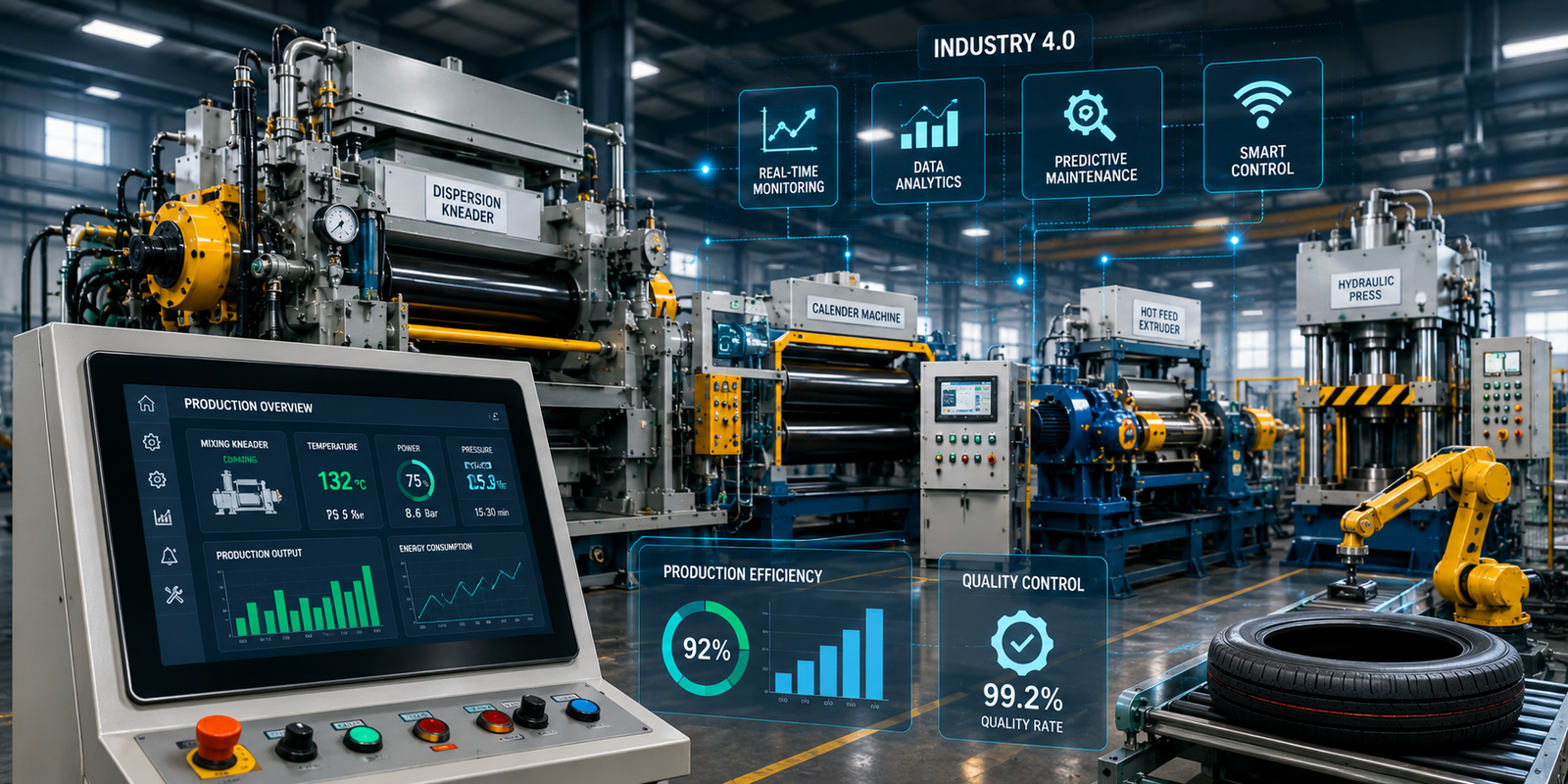
Today’s machinery manufacturers are incorporating advanced monitoring technologies that help predict maintenance requirements before failures occur.
These technologies include:
- Temperature monitoring systems
- Vibration analysis
- Automated lubrication systems
- PLC-based diagnostics
- Remote monitoring capabilities
Predictive maintenance solutions help manufacturers reduce downtime and improve operational efficiency.
♻ Maintenance and Sustainability
Well-maintained machinery consumes less energy, produces less waste, and operates more efficiently. This contributes to both environmental sustainability and lower operating costs.
Efficient equipment also helps manufacturers reduce scrap rates and improve resource utilization throughout the production process.
🎯 Long-Term Value of Proper Maintenance
Many companies focus heavily on purchasing high-quality machinery but underestimate the importance of maintaining it properly.
A strong maintenance program provides:
- Greater equipment reliability
- Higher production efficiency
- Better product consistency
- Lower operating costs
- Improved safety standards
- Longer equipment lifespan
These benefits directly contribute to higher profitability and improved competitiveness.
✅ Conclusion
Regular maintenance is one of the most effective ways to protect your investment in rubber processing machinery. From mixing and extrusion equipment to calenders, presses, and recycling systems, every machine performs better when properly maintained.
By implementing a proactive maintenance strategy, manufacturers can reduce downtime, improve product quality, extend machine life, and achieve greater operational efficiency. In today’s competitive manufacturing environment, preventive maintenance is not simply a maintenance activity—it is a key business strategy for long-term success.